ICOM IC-A25N Handheld NAV/COM Transceiver w/ Bluetooth – Open Box: Portable Aviation Radio
ICOM IC-A25N Handheld NAV/COM Transceiver w/ Bluetooth – Open Box: Portable Aviation Radio
Blog Article
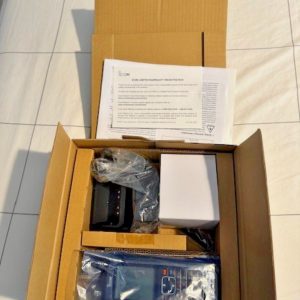
:::writingvariant="document" id="58314" ICOM IC-A25N Handheld NAV/COM Transceiver w/ Bluetooth – Open Box: Reliable NAV/COM Performance The ICOM IC-A25N Handheld NAV/COM Transceiver w/ Bluetooth – Open Box combines user-friendly controls, portable convenience, aviation communication capability, navigation functions, and Bluetooth connectivity. Choosing an open-box aviation radio may allow buyers to obtain advanced pilot equipment at a more accessible price than a comparable factory-sealed package. The ICOM IC-A25N Handheld NAV offers a flexible option for private pilots, commercial operators, instructors, aviation students, and support personnel. The ICOM IC-A25N Aviation Radio offers portable flexibility for aircraft owners who do not want to rely exclusively on panel-mounted communication equipment. An ICOM IC-A25N Handheld Radio offers mobility that panel-mounted equipment cannot provide, allowing users to communicate from the aircraft, ramp, hangar, or operations area. As a Handheld NAV/COM Aviation Transceiver, the unit combines portable communication with navigation-related functions in one organized device. Whether the device will function as a Handheld Aviation Radio, Aviation NAV/COM Radio, Pilot Handheld Radio, or Aircraft Communication Radio, users should become familiar with its controls before relying on it. For many operators, the radio can combine the roles of Portable Aviation Transceiver, Aviation Communication Device, Handheld Aircraft Radio, and emergency backup equipment.
Exploring the ICOM IC-A25N NAV/COM Platform
The radio’s portable construction allows it to support aircraft operations before departure, during flight, after landing, or while personnel are working around the airport. The device may help pilots reduce equipment clutter by integrating several useful capabilities into one flight-bag-friendly radio. Portable equipment should be treated as part of a complete communication plan rather than a guaranteed replacement for every installed avionics function. Operators should include the radio in normal equipment checks so batteries, accessories, and settings remain ready for use.ICOM IC-A25N Handheld NAV Features
An ICOM IC-A25N Handheld NAV may help pilots monitor frequencies, organize flight-related information, and maintain portable communication capability. Flight schools can use portable radios to support classroom discussions, ramp communication, operational demonstrations, and backup planning. Navigation features should support rather than replace required pilot preparation, approved navigation equipment, current charts, and appropriate operational judgment. The radio should be stored securely so it does not interfere with controls, visibility, passengers, or emergency egress.ICOM IC-A25N Aviation Radio for Pilots
An ICOM IC-A25N Aviation Radio can serve pilots who need portable communication for flight operations, aircraft delivery, training, airport coordination, or emergency preparedness. Aircraft sales organizations may keep handheld radios available during demonstrations, repositioning, delivery preparation, and customer familiarization. The seller should identify any missing accessories, cosmetic marks, opened packaging, previous testing, warranty status, or differences from a factory-sealed package. An independent review may provide additional confidence when the radio cannot be examined in person.ICOM IC-A25N Handheld Radio Portability
The IC-A25N provides flexibility for aviation users who need one communication device across multiple locations and operational roles. The antenna should be protected from bending or crushing while the radio is transported with other equipment. Preparation outside the aircraft supports more confident, efficient, and less distracting use during actual operations. Careful handling allows a portable aviation radio to remain a dependable part of the pilot’s equipment inventory.Handheld NAV/COM Aviation Transceiver Benefits
The device may be especially valuable to pilots who operate older aircraft, rented aircraft, or airplanes with limited redundancy. Commercial value depends on condition, package completeness, included equipment, seller support, and the cost of any missing accessories. The radio should be inspected before every important flight for battery charge, antenna security, control response, display condition, volume setting, read more and physical damage. Regular care supports reliable operation, protects resale value, and reduces the risk of missing components.Maintaining a Handheld Aviation Radio
A Handheld Aviation Radio is a practical tool for private pilots, instructors, students, mechanics, aircraft owners, flight schools, and airport support personnel. Regular practice and maintenance turn a handheld device into meaningful backup equipment rather than an unverified accessory. Radio performance can be affected by aircraft structure, cockpit location, antenna orientation, terrain, buildings, interference, weather, and distance. Professional radio discipline includes listening carefully, transmitting clearly, using appropriate terminology, and keeping messages relevant.Benefits of an Aviation NAV/COM Radio
A NAV/COM radio may support pilots who need backup communication while also valuing navigation-oriented information and operating flexibility. Pilots should avoid changing complex settings when attention is required for aircraft control, traffic awareness, navigation, or communication duties. Pilots should maintain current charts, navigation planning, weather awareness, and suitable avionics for the flight being conducted. The antenna should be attached properly and protected from interference with controls or cockpit movement.Choosing a Pilot Handheld Radio
A Pilot Handheld Radio can provide useful communication redundancy during cross-country flights, aircraft delivery, rental operations, training, and travel to unfamiliar airports. A belt clip, protective case, organized side pocket, or approved mounting arrangement may help secure the radio during flight. Emergency equipment is more useful when essential controls can be operated confidently without lengthy manual review. Battery condition should be reassessed as the pack ages or shows reduced capacity, charging problems, unusual heat, or physical changes.Maintaining an Aircraft Communication Radio
A handheld radio may provide additional flexibility during aircraft demonstrations, test preparation, delivery operations, or extended maintenance events. Pilots should listen before transmitting, speak clearly, keep messages relevant, and verify that the correct frequency is selected. Understanding environmental limitations helps pilots choose the best practical location and operating method. Maintaining physical and electronic condition supports dependable Aircraft Communication Radio performance.Portable Aviation Transceiver Advantages
Portability is valuable when users need one radio across several airplanes, buildings, vehicles, or operational locations. An accessory checklist may be useful for businesses or flight schools that issue the radio to different users. Users should understand how to disconnect or change the wireless connection if audio is routed incorrectly during operation. Careful setup allows portable wireless communication features to improve convenience without creating unnecessary cockpit distraction.Benefits of an Aviation Communication Device
The ideal device balances functionality with an interface the user understands and can operate confidently. Transparent condition information allows the purchaser to judge whether the price reflects the package accurately. Aviation businesses should establish procedures for cleaning shared microphones, headsets, controls, and surfaces where appropriate. Regular updates to operating procedures may be required when accessories, paired devices, aircraft assignments, or personnel change.Handheld Aircraft Radio Applications
A Handheld Aircraft Radio can provide useful communication capability both inside the cockpit and around the aircraft during maintenance, preflight, towing, fueling, or operational preparation. The radio provides practical value wherever access to aviation communication is useful away from a powered instrument panel. The unit must remain accessible without forcing the pilot to look away from primary responsibilities for an extended period. Charging ports and connectors should remain dry and free from debris before accessories are attached.Using an Aviation Navigation Radio
The IC-A25N may appeal to pilots who want more than communication capability from their handheld flight-bag radio. Students should receive appropriate instruction so the device supports learning rather than creating misunderstanding or distraction. Portable functions are most useful when they complement rather than replace disciplined aviation decision-making. Users should remove outdated memories or clearly organize frequencies to reduce confusion during operation.Using an ICOM Pilot Radio
Pilots may choose an ICOM Pilot Radio because they want one familiar handheld device for training, travel, cockpit backup, and ground operations. Accessories, manuals, packaging, warranty eligibility, and previous registration may affect the practical and commercial value of the radio. Aviation students may prioritize ease of learning, while experienced pilots may focus on backup capability, portability, and integration. Periodic practice ensures that the user remains confident with essential functions as time passes.Emergency Aviation Radio Preparedness
Emergency value depends on the radio being charged, accessible, configured, and familiar to the pilot before a problem occurs. Users should practice essential operation under calm conditions so frequency entry and audio adjustment remain manageable under stress. Pilots should evaluate whether the radio can be heard clearly in the noise environment of their aircraft. Emergency equipment checks can be scheduled with annual inspections, proficiency reviews, seasonal preparation, or flight-bag audits.Maintaining a Backup Aircraft Radio
Pilots who operate several aircraft can carry the same Backup Aircraft Radio and remain familiar with its controls across different cockpit layouts. Stored batteries can lose capacity, accessories can become misplaced, settings can change, and physical damage may go unnoticed. A dedicated flight-bag pocket, protective mount, or secured cockpit storage area may provide suitable access. Pilots should use clear, concise communication and follow appropriate procedures for the situation and operating environment.Open-Box ICOM IC-A25N Purchase Checklist
The display should illuminate correctly and remain free from major damage, unreadable sections, or unexplained visual problems. The seller should identify whether original packaging, manuals, warranty materials, and product registration documents remain available. A complete demonstration can provide valuable confidence for buyers who cannot inspect the radio in person. Shipment photographs can document package contents and physical condition before dispatch.Long-Term Ownership of an ICOM IC-A25N
A professional handheld transceiver should be managed as aviation equipment rather than treated like an ordinary consumer radio. Occasional-use radios should still receive periodic checks because batteries and electronic components can deteriorate during inactivity.- Review the complete package and remove the radio from backup service if physical or electronic condition is uncertain.
- Confirm that paired accessories, headset connections, stored information, display settings, antenna attachment, and power level are suitable for the planned operation.
- Store the radio, battery, charger, antenna, adapters, and documentation in a dry, organized, protected location after use.